PVC banner printing proofs deserve a careful check. Before approval, check every word, telephone number, date, logo, image, colour instruction, size and finishing detail against the information you intended to send. A proof is the point at which small errors are easiest to spot before the banner moves into production. Give it a review and involve the person responsible for event or brand details.
⏱️ Estimated reading time: 6 minutes
Table of Contents
What a PVC banner printing proof is for
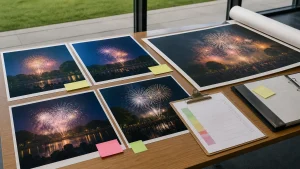
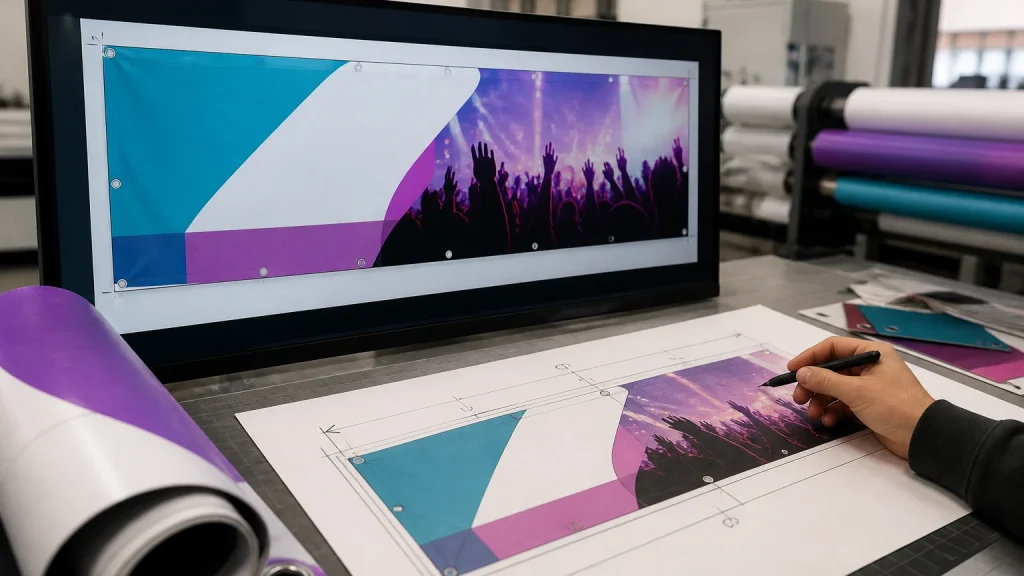
A proof is a visual reference for the proposed banner artwork. It helps everyone confirm that the supplied content, layout and requested specification appear to match the brief. Treat it as an approval document: once confirmed, the printer will normally work from the approved version.
For a banner, review what people will read and how the finished item will be used. A school open-day banner may need a date, start time, entrance information and contact route. A missing digit or old date can make a polished display unhelpful. Fixing details must suit the planned installation.
Compare the proof with latest approved copy and brand files, not memory. If several people edited the message, nominate one final reviewer.
Read every piece of text, not just the headline
Smaller content is where problems can slip through: web addresses, email addresses, social handles, dates, prices, terms, sponsor names and booking instructions deserve a character-by-character check. Read the proof aloud slowly, or ask a colleague who has not worked on the artwork to review it. Fresh eyes help.
- Check spelling, punctuation, capital letters and spacing in the main message.
- Compare every number with the source information, including dates, times and contact details.
- Make sure logo straplines, partner names and venue details use their approved wording.
- Look for line breaks that change meaning or make names difficult to read.
Do not assume a QR code, map graphic or small icon is correct because it looks familiar. If included, test the supplied code from the proof where practical and confirm it leads to the intended destination.
Check colour, logos and images in context
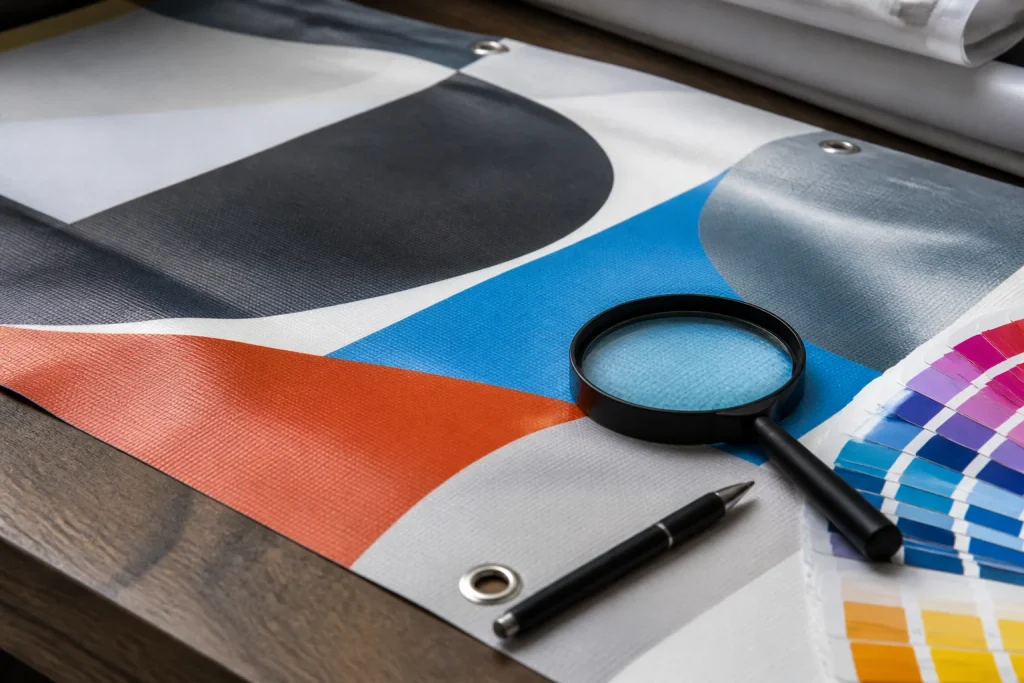
Screen appearance can vary with device settings and brightness. A digital proof is useful for checking colour relationships, logo placement and balance, but it may not represent a final printed colour in exactly the same way on every screen. If a particular brand colour or close match matters, raise that requirement with the printer before approval and ask what proofing or colour-reference options are appropriate.
Check that logos are the correct version and are not stretched, cropped or placed too close to other elements. Images should look purposeful at the proof’s viewing scale: faces should not be unintentionally cut off, and important parts of a product photograph should remain visible.
Contrast matters. A pale headline over a light photograph may be technically present yet difficult to pick out in real conditions. Zooming in will not answer that question. Instead, reduce the proof on screen or step back from it to judge the hierarchy. This is an indication, although the intended display position remains the real test.
Confirm size, orientation and safe layout areas
Check that the stated banner size and orientation match the space planned for it. A landscape design can be excellent for a railing but unsuitable for a narrow entrance, while a portrait format may be awkward across a long fence. Measure the available display area before approval and consider what could obstruct the edges, such as posts, gates or a frame.
Keep essential wording, logos and contact details away from the outer edge of the artwork. This is especially important where a banner will be hemmed, fitted with eyelets or secured with ties. The exact finishing arrangement and usable area depend on the supplier’s specification, so check the details on the proof and query anything that is unclear. Do not rely on a general rule copied from a different banner order.
A clearly marked proof may show trim, bleed or safe-area guides. These guides help assess positioning, not become part of the finished display. Confirm no vital text crosses into an area where it could be affected by trimming or finishing.
Finishing details need the same attention as artwork
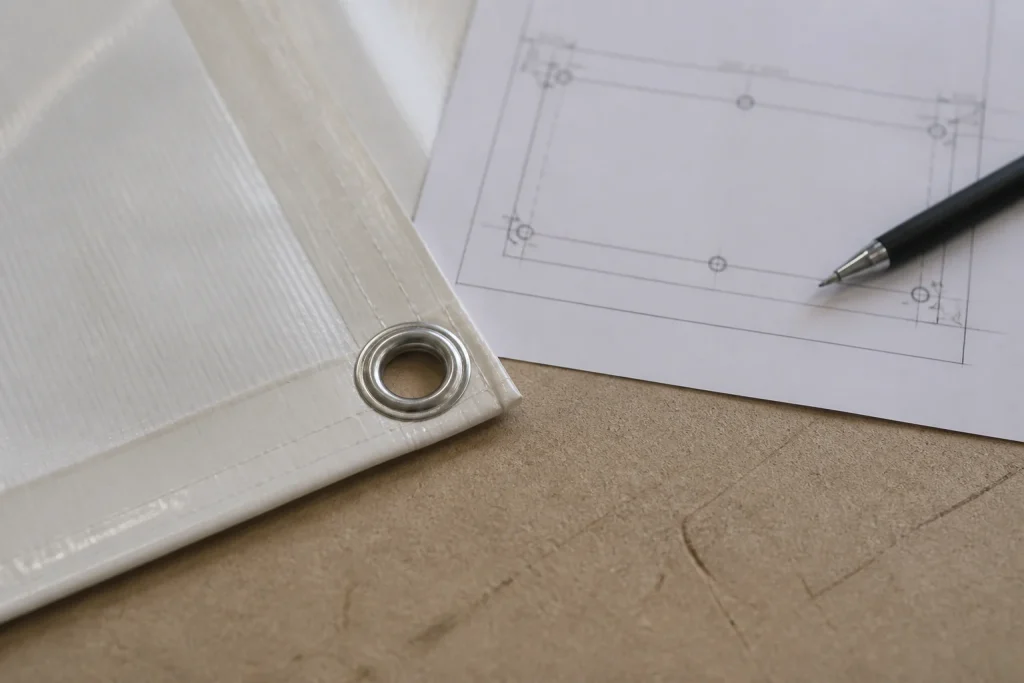
Finishing choices influence how a PVC banner can be installed. Check whether the proof or order details state the required eyelets, hems, pockets or other finishing features, and make sure they align with the installation plan. The number and position of eyelets should be considered alongside the fixing points available on site, rather than selected for appearance.
For example, a banner fitted to a metal fence may need fixing points that line up with the fence structure. A banner hung across an internal wall may call for a different approach. The installer should assess the surface, fixing method and conditions at the intended location. Printing approval does not replace safe installation planning.
Also check whether the banner is single- or double-sided if that choice is relevant to the order, and confirm the quantity required. It is easy to concentrate on one proof and overlook a duplicate version, a second design or a different finishing instruction listed elsewhere in the order.
Common mistakes when approving a banner proof
The most common mistake is approving while viewing an old email thread, outdated brief or previous event artwork. Save or identify the current source copy before beginning. Another is making verbal changes without ensuring they are reflected in a revised proof. If wording, colour, size or finishing changes, ask to see the updated version and review that specific change again.
Rushing because an event is approaching creates avoidable pressure. Agree final wording internally first. If anything is uncertain, pause approval and ask. Mark comments precisely so revisions do not introduce fresh ambiguity.
Conclusion
A PVC banner printing proof check protects the clarity of the display. Review current wording, numbers, colours, logos, size, layout and finishing together, then compare them with planned use and location. Newstyle Print provides artwork checks during ordering, but final approval should be made against verified information. Deliberate review supports a professional banner.