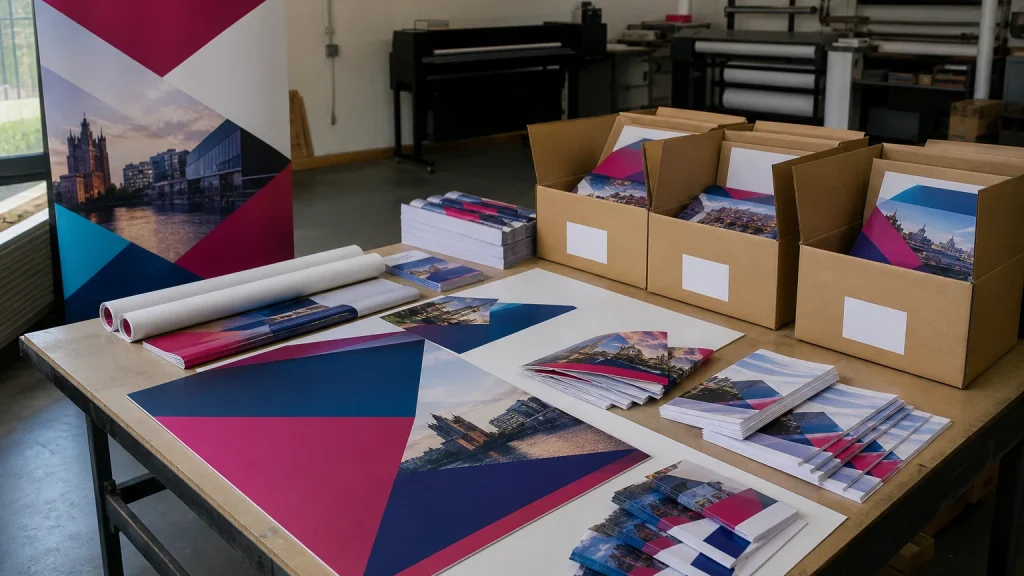
Printing East Midlands campaigns across several locations work best when you treat the launch as one controlled project. Start with a shared message, a master artwork set and a location-by-location list of what must arrive. That approach gives each venue or branch the materials it needs while keeping the campaign recognisably yours.
⏱️ Estimated reading time: 5 minutes
Table of Contents
Build one campaign kit before ordering
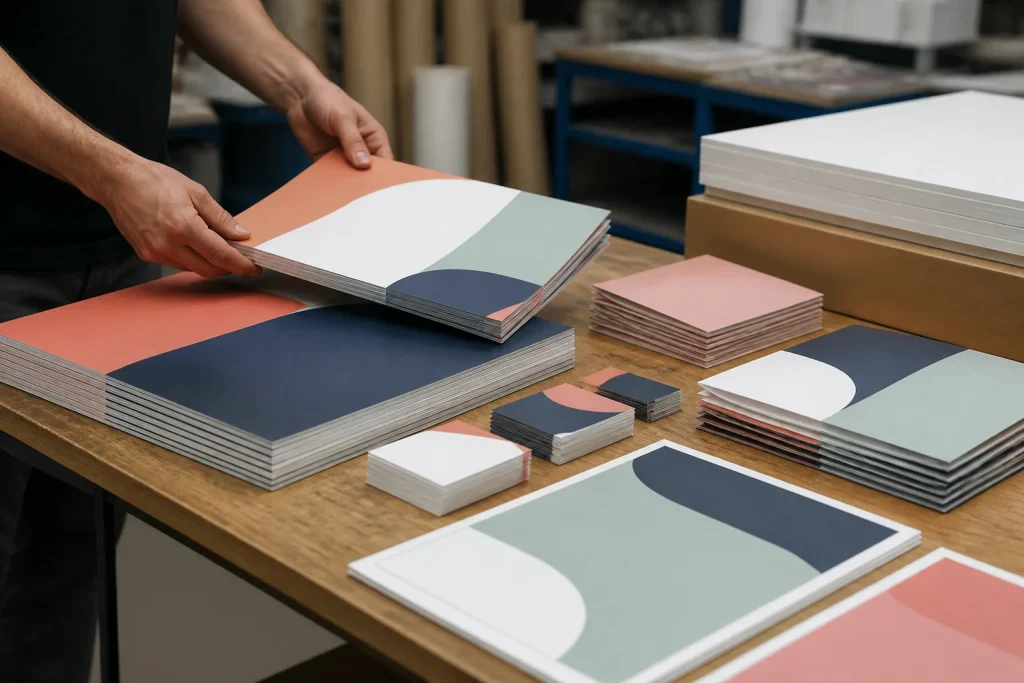
A multi-site launch may include customer-facing print, staff information and display materials. The temptation is to begin by asking each location what it wants. Decide what is essential everywhere before considering local extras.
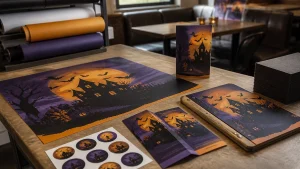
Create a campaign kit with three groups: core items required at every site, items needed only in particular environments, and locally tailored pieces. A retail promotion, for example, might use the same window graphic, poster and leaflet design throughout, while one larger branch also needs an A-frame.
For every item, record the finished product, quantity, artwork filename, intended location and the person approving it. Keep the source files together rather than letting each site amend its own copy.
Think about the reader’s route as well. A window message may introduce the campaign, a poster can add a little more detail, and a flyer or folded leaflet can give people something to take away. Repeating every line of copy on every format usually makes the materials feel crowded. Each printed piece should have a clear job.
Use printing East Midlands to keep the launch consistent
Consistency is more than placing the same logo on everything. It means using approved colours, typefaces, imagery, wording and calls to action in a way that suits each format. A long explanation that works in a brochure may be unreadable on a display board. Equally, a short poster headline may need supporting detail in a leaflet.
Give your designer or printer the master logo files, brand colours, approved copy and any mandatory information at the outset. If a campaign includes a web address, QR code, price, date or booking route, nominate one person to confirm it before artwork is released. Those small details tend to change late, and they are expensive to overlook once several versions have gone to print.
It is also sensible to agree which elements can vary. A location name, venue address, local telephone number or event date may need a dedicated version. Everything else should remain locked. Naming files clearly helps: “Spring-launch-poster-site-name” is easier to check than several files labelled “final”, especially when final is not quite final.
Newstyle Print offers digital, lithographic and wide-format printing, so one campaign can combine everyday marketing materials with larger display and signage products. The right method depends on the finished item, quantity, artwork and timing. Rather than choosing a process by habit, describe the full campaign and ask which route may suit each part.
Match printed materials to each location
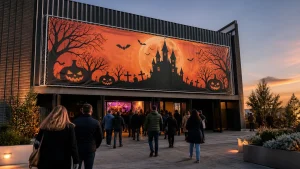
Different premises create different practical needs. A compact shop may have limited wall or window space, while a larger venue may need visible messaging at the entrance, counter and key decision points. Build quantities around placement, not an even split between sites.
| Location need | Possible printed materials | Question to settle |
|---|---|---|
| Street-facing promotion | Posters, self-adhesive vinyl, PVC banners | Where will the message be seen first? |
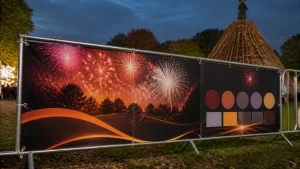
| Portable event setup | Roller banners, feather flags, pop-up displays | Who will transport and position the display? |
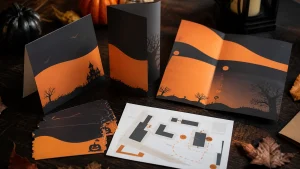
| Counter or takeaway information | Flyers, folded leaflets, appointment cards | What should a visitor do next? |
| On-site guidance | A-frames, Foamex boards, custom-cut signs | What decision or direction needs to be clear? |
The table is a starting point, not a fixed shopping list. An A-frame may suit a pavement-facing message where its placement is appropriate, but it is not a substitute for a portable exhibition display. Likewise, a poster is useful where people stop to read; it may not carry enough information for a complicated service or event schedule.
Ask site managers for photographs and basic measurements of proposed display areas before artwork is finalised. This does not need to become a drawn-out survey. A clear photo showing the available wall, window or counter space can reveal obstacles, competing notices and restricted viewing angles. It also makes it easier to decide whether one design needs an alternative layout.
Common mistakes in printing East Midlands roll-outs
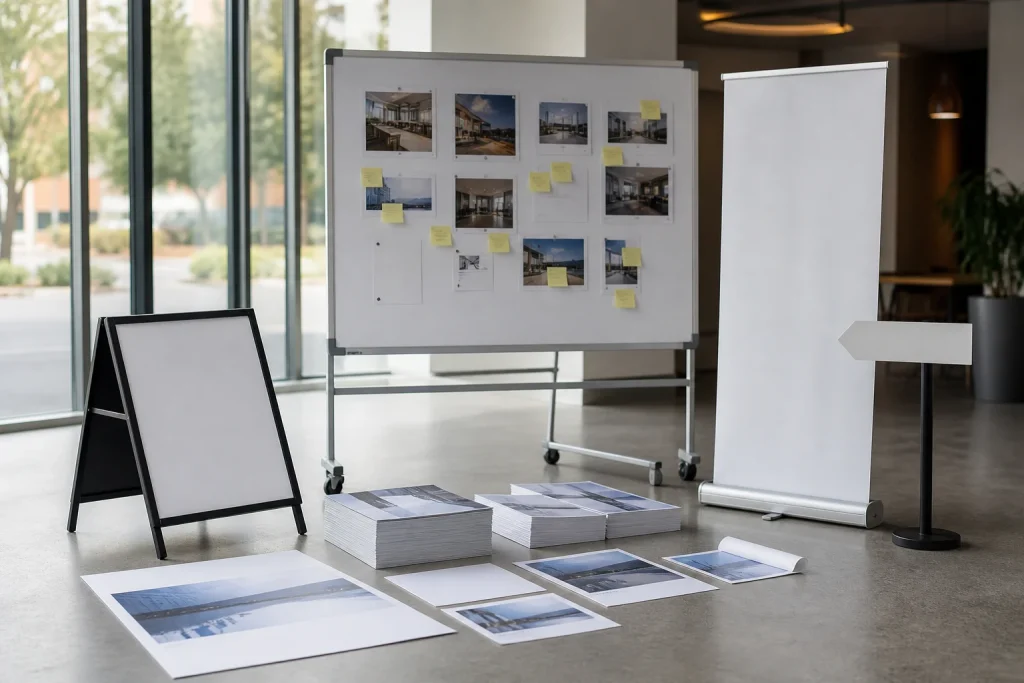
The most common mistake is ordering the same quantity for every site because it seems fair. One location may have a busy entrance and several display points; another may only need a modest counter pack. Unused stock is not a sign of a successful launch. Allocate quantities around expected use, then retain a sensible reserve only where there is a clear reason for it.
Another problem is approving individual PDFs without checking the campaign as a whole. Put the poster, leaflet, sign and display artwork alongside one another. Check that the offer, dates, brand colours, contact route and key wording agree. Then review each local variation separately. This is the stage to spot a missing location name or an old version of a QR code.
When this does not make sense: a heavily standardised rollout is not always appropriate. If locations serve clearly different audiences, run different services or have distinct space constraints, forcing one design everywhere may reduce its usefulness. Keep the campaign’s visual identity and central message consistent, but allow considered local adaptation where it genuinely helps the reader.
Finally, do not leave delivery instructions until the end. Provide the full list of delivery addresses, named contacts, quantities per site and any labelling requirements with the quote brief. That makes it much easier to check what each location is due to receive.
Conclusion
A well-planned multi-site launch needs one approved campaign system, not just matching printed products. Define the core kit, identify local variations, match materials to the space and check every version before production. Whether you need flyers, posters, display graphics, signage or a bespoke combination, a clear brief helps the whole rollout stay organised. For printing East Midlands projects, prepare a single schedule of artwork, quantities, locations and delivery details before requesting a quote; it will make the conversation faster and the final order easier to manage.