small quantity stapled booklet printing is a practical way to turn a near-final draft into something people can hold, read and review before a larger order is approved. A modest prototype run can help you assess page order, folding, staple placement, paper feel and clarity in the intended format. It may suit a new campaign, product guide, training material, event programme or customer information pack.
⏱️ Estimated reading time: 6 minutes
Table of Contents
A PDF remains useful for checking copy and layout, but a screen cannot show everything about the finished booklet.
Why print a prototype before the main run?
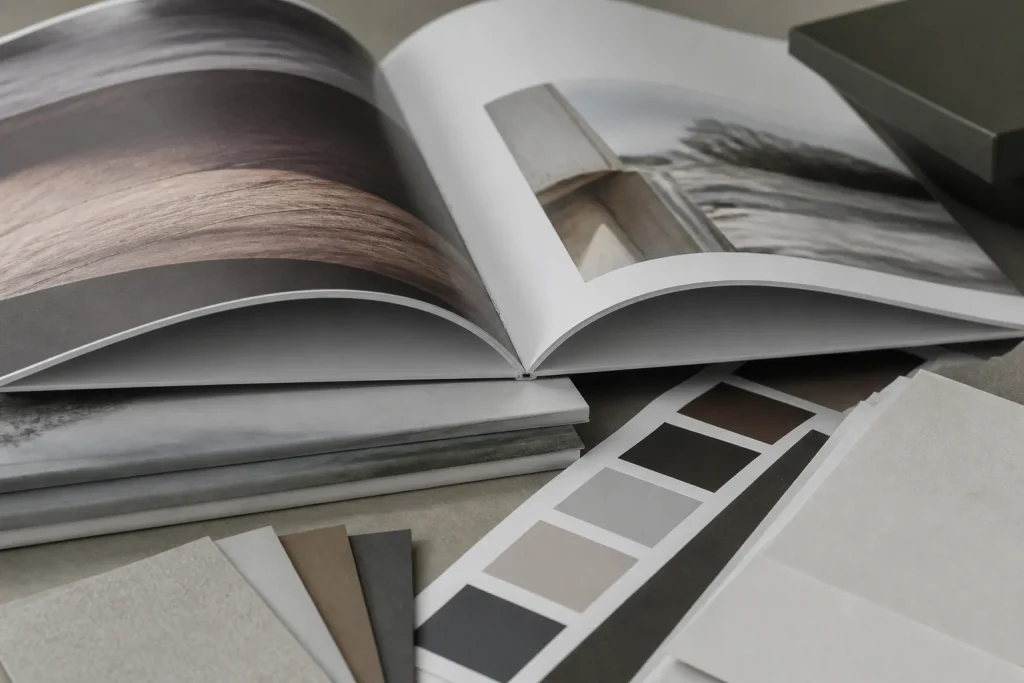
The main benefit is better-informed approval. Instead of relying on a monitor, you can inspect the booklet in physical form and make changes while the quantity is modest. That can be useful where people need to approve content, branding or technical information before a wider distribution.
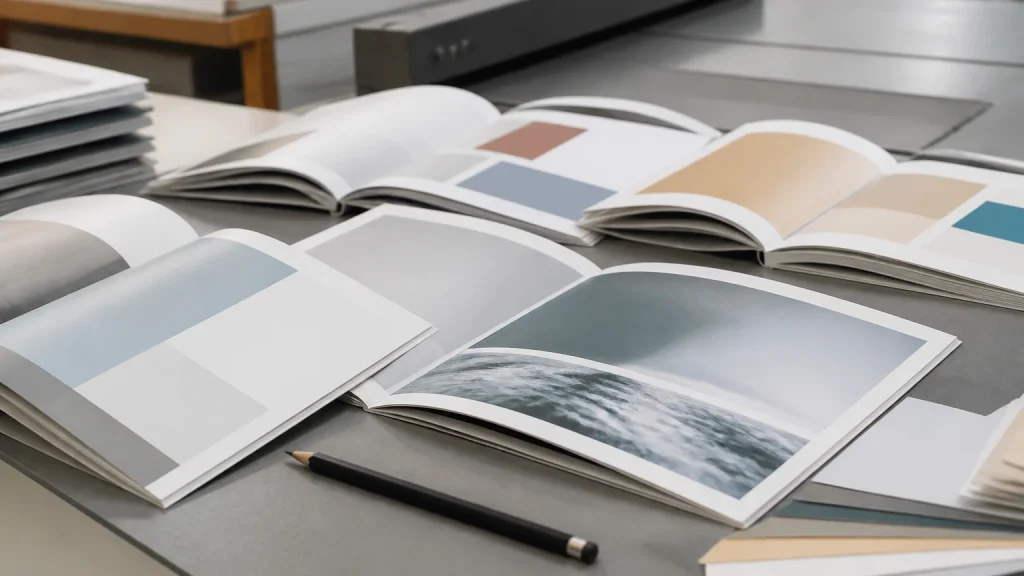
Stapled booklets are made from folded sheets gathered and secured along the fold. The design needs to work across spreads, not as a sequence of isolated pages. Opening a prototype can expose a photograph that sits awkwardly at the fold, a page reference that is difficult to find, or an important message positioned where a reader may overlook it.
For example, a hypothetical business preparing a product guide could print a batch for its sales team. Team members might use the copies in conversations, record common questions and identify wording that needs simplifying. The next version could be amended before the main quantity is ordered. In that situation, the prototype is a review tool, not a sample to admire.
Small quantity stapled booklet printing: what to test
Give the prototype a clear purpose before ordering. Trying to judge every variable at once can produce vague feedback. Decide which choices are open, then ask reviewers to focus on them. A short checklist keeps the review useful and makes amendments easier to explain.
- Reading flow: Check the cover, opening spread, section order and final page. A reader should be able to follow the message without hunting for key information.
- Content accuracy: Read every heading, telephone number, date, price, product detail and required wording from the printed booklet, not only from the source file.
- Images and colour: Printed colour can appear different from an uncalibrated screen. Review images at their intended size and consider whether overall result suits the brand.
- Paper and cover feel: Handle the booklet as a recipient would. Consider whether the chosen cover and internal paper feel appropriate for a handout, guide or information pack.
- Usability: Turn the pages, inspect tables and check that page numbers, contact details and key sections are easy to locate.
Keep notes on copies rather than relying on memory. Marking a booklet can help distinguish essential corrections from preferences. It also gives the person responsible for artwork a record of what needs changing and why.
Practical guidance for small quantity stapled booklet printing
A prototype has most value when it is reasonably close to the intended final item. If you test one size, orientation and paper choice, then change all three for the main order, the review may tell you less than expected. Begin with the closed size, portrait or landscape layout, total page count, cover approach and intended quantity.
Page planning matters because stapled binding relies on folded sheets. A printer can confirm whether the proposed page count and paper selection are suitable for the chosen format.
Digital printing may suit some prototype quantities, while lithographic printing may be considered for some larger orders. Neither method is automatically right for every booklet. Quantity, specification, budget, artwork and intended use matter. When asking for a quote, explain that you are considering both a prototype and a possible follow-on order.
Small quantity stapled booklet printing and artwork checks
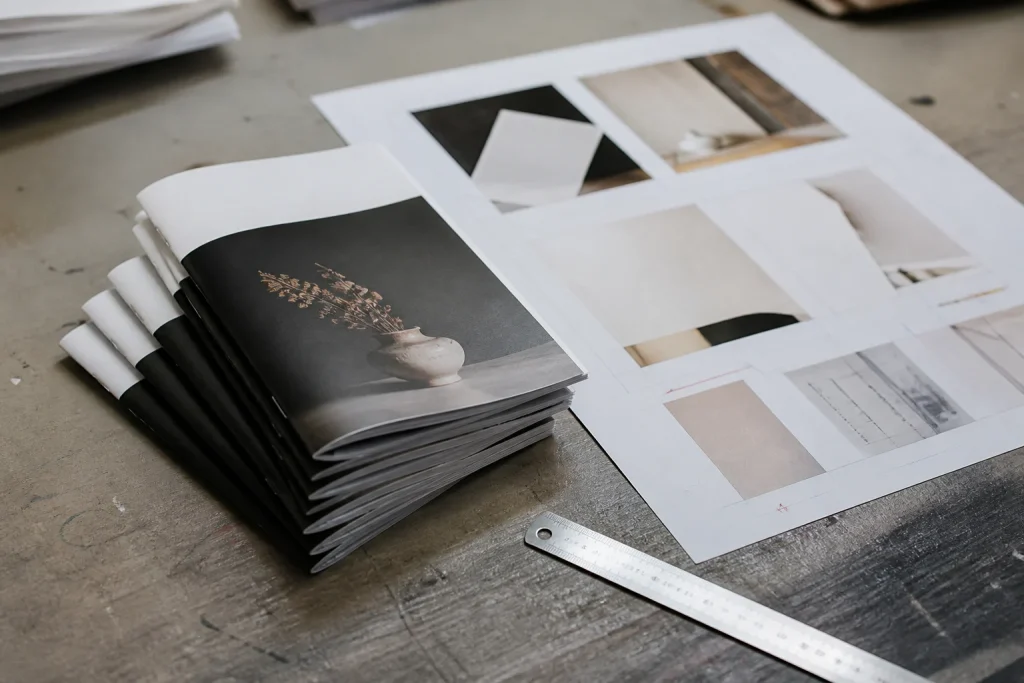
A prototype does not replace careful artwork preparation. Supply the most complete version available, including the planned page order, images and text. Where artwork runs to the edge, ask the printer about its current bleed and safe-area requirements before finalising the file. Important words, logos and faces should not be positioned too close to a trim edge or the fold.
Unless the printer requests otherwise, supplying pages as single pages in the requested order is generally safer than creating printer spreads yourself. Printer spreads are production arrangements, not the same as reader-facing spreads. Preparing them without confirming the workflow can lead to misplaced pages or a file that needs rebuilding.
Newstyle Print offers graphic design alongside digital and lithographic printing, and lists free UK delivery on its products. If a prototype highlights an overcrowded spread, inconsistent styles or a difficult-to-read table, artwork amendments can be discussed before a larger run is confirmed. For bespoke sizes, unusual formats or an incomplete booklet brief, a quote request can help establish the available options.
When a prototype may add little value
A physical prototype is not essential for every booklet. If you are reordering an unchanged item that has already been approved and used successfully, another prototype may add little.
A small test run cannot answer every question about a larger production run, particularly if the final quantity, paper or printing method changes. Treat it as evidence for the choices it actually tests rather than blanket approval for every future version. It is also worth avoiding a prototype that is produced too early. If copy, images and internal approvals are still changing substantially, repeated revisions can create unnecessary work.
A concise brief helps a printer understand what the prototype needs to achieve. Include the closed size, orientation, total page count, quantity, intended use, preferred paper feel, artwork status and required deadline. Mention any likely follow-on order, but avoid treating it as fixed until the prototype has been reviewed.
Conclusion
A printed prototype gives a stapled booklet a useful reality check before a larger order. Review it against the decisions that remain open, separate essential corrections from preferences, and use the resulting notes to confirm the final specification with the printer. That approach keeps the prototype tied to a practical approval decision rather than treating it as blanket approval for every future version.