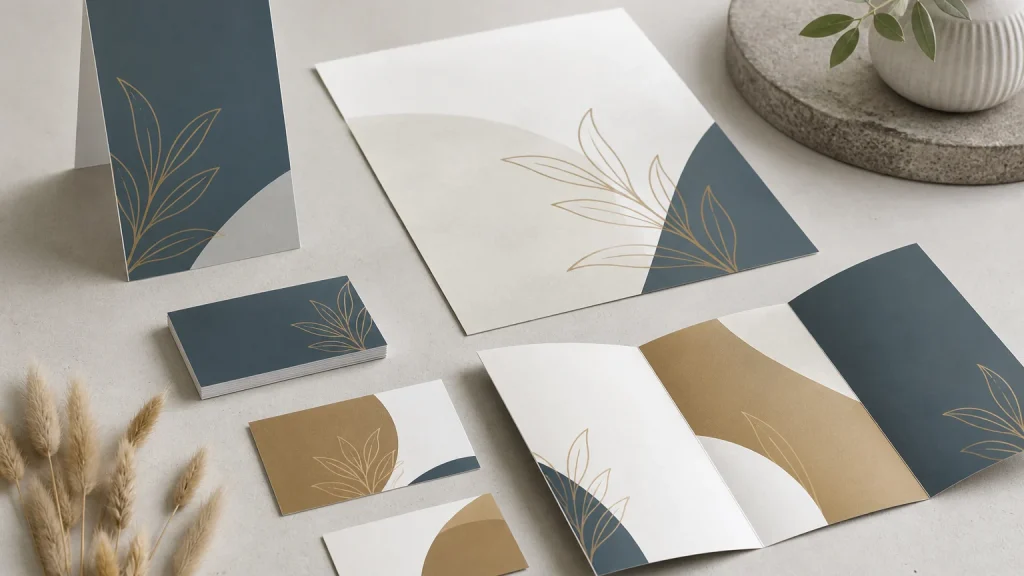
Print design services can make a customer journey clearer by giving each printed item one useful job, then making the message, visual style and next step feel connected. Rather than treating a business card, flyer, sign and follow-up leaflet as separate jobs, plan them as a sequence. People should be able to recognise your business, understand what is being offered and know what to do next without having to decode a different message each time.
⏱️ Estimated reading time: 5 minutes
Table of Contents
That does not mean every item needs the same layout. In fact, identical designs can be unhelpful when the reader is in a different place or needs different information. The aim is consistency with purpose: familiar branding, sensible hierarchy and wording that matches the moment.
Map print design services to real customer moments
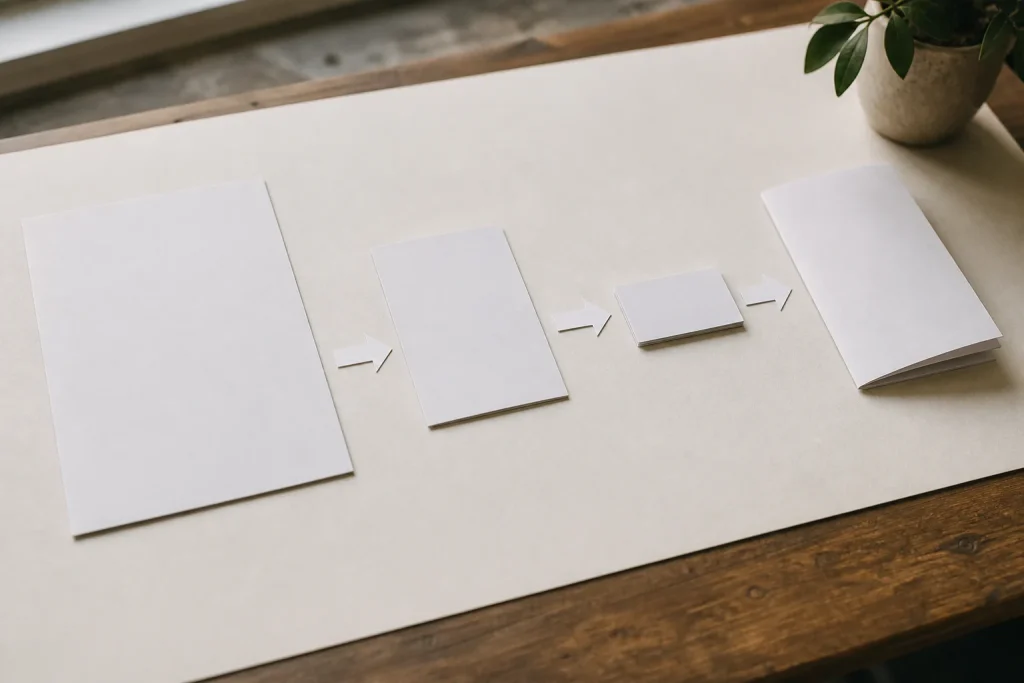
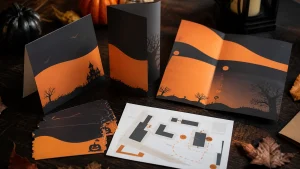
Start with the route a person takes from first noticing your business to making contact, visiting, buying or returning. A poster may create awareness from a distance; a flyer may explain an offer; a business card may make later contact easier; a menu, brochure or appointment card may support a more considered decision.
Write down the customer moments before choosing products. For each one, ask three plain questions: where will the item be seen, what does the reader need to understand, and what is the single next action? If an item tries to answer every question, it can end up answering none particularly well.
A hypothetical independent café, for example, might use a pavement A-frame to point out a lunch offer, a counter menu to help people choose, and a loyalty card to encourage a later visit. These pieces should not carry the same amount of detail. They should, however, use recognisable colours, a consistent business name and language that does not feel as though it came from three unrelated brands.
Give every printed item one clear job
Good design begins with prioritising information. On a small item, such as a business card or appointment card, contact details and the person or business name may deserve most of the available space. On a folded leaflet, the front panel needs to earn attention, while the inside can carry fuller explanations, choices or practical details. A roller banner or poster usually needs a short message that remains understandable at a glance, not paragraphs of sales copy.
Use a simple hierarchy before adding decoration
A useful working order is: first, what this is; second, why it matters to the reader; third, what they can do next.
Images, icons, colour blocks and finishes can support hierarchy, but they are not a substitute for it. A striking photograph may help a hospitality flyer feel appetising, for instance, but it should not bury the offer, date or ordering route. Similarly, a QR code can be useful where the reader is likely to have a phone and enough time to scan it; it is less helpful as the only source of essential information.
Keep print design services familiar across formats
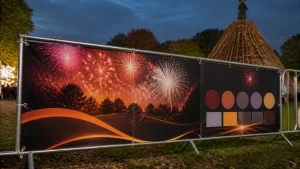
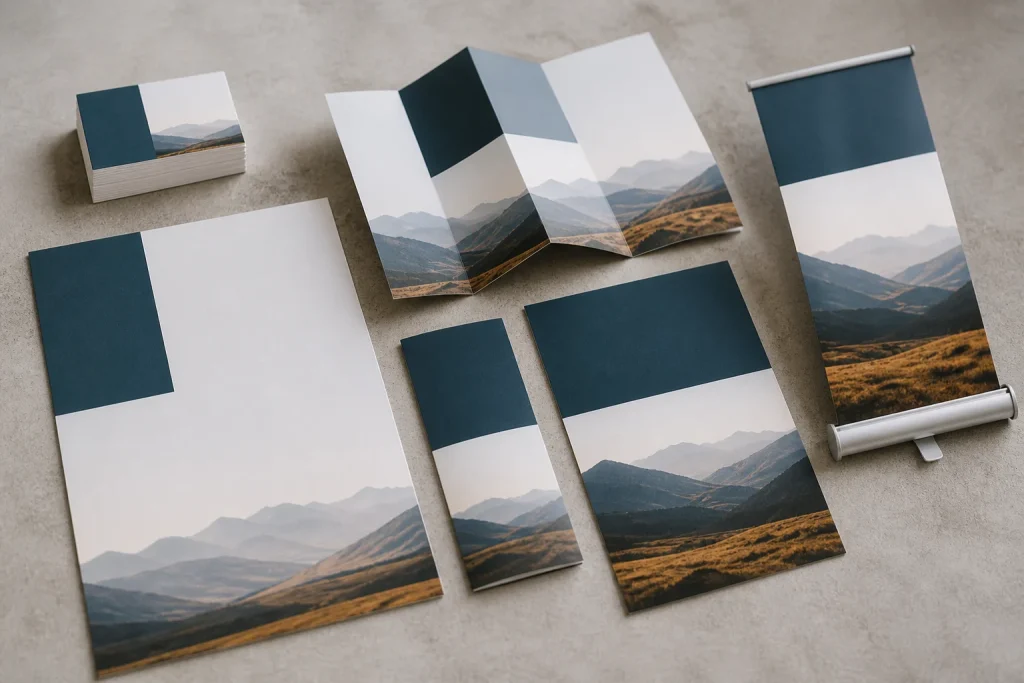
Consistency is more than placing a logo in the same corner. Decide which parts of the brand should stay stable across printed marketing, stationery, display and signage: the business name, core colours, type choices, image style, tone of voice and key contact routes. Then allow the format to do its own job. A large-format display needs bolder, simpler communication than a brochure held in someone’s hands.
It helps to keep approved assets together: logo files, colour references, typefaces or alternatives, current contact details, photography and agreed wording.
Newstyle Print can help coordinate campaign formats.
Where print design services need restraint
A common mistake is asking one printed piece to serve every audience, channel and campaign stage. Adding every service, testimonial, social platform and product image often makes the next step less clear, not more persuasive.
Restraint also matters when brand guidelines are loose or outdated. It may be tempting to solve this by introducing several new fonts, colours and visual styles at once. Usually, it is better to agree a small, repeatable system first. A modest design refresh can still look deliberate when it uses clear rules consistently.
Design support may not make sense for every order. If you already have current, print-ready artwork that has been checked for the chosen product, a straightforward reprint may be all you need. Equally, a major rebrand should not be rushed into a single flyer design if the wider identity, copy and customer message are still undecided. In that case, settle the foundations before committing them to several printed products.
Prepare a brief that connects design and print
A useful brief reduces guesswork and makes it easier to judge whether the proposed design suits the job. Include the intended audience, where the item will appear, the product or format you have in mind, quantity, deadline, available brand files, essential wording and preferred contact route. If you are unsure about size, paper, folding or display material, say so rather than selecting a specification because it sounds familiar.
Separate non-negotiables from preferences. A legal business detail, event date, booking number or product price needs accurate approval. A preferred image or shade may be open to discussion if it weakens the layout or does not reproduce as expected on the selected material. Check all wording, numbers, web addresses and QR destinations before approving artwork; design cannot correct information that has not been supplied or reviewed.
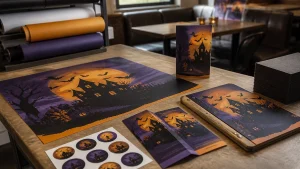
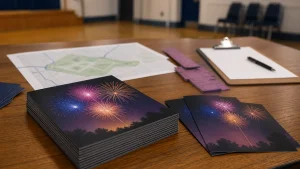
For a connected campaign, ask to see the pieces together where practical. Even a side-by-side review can reveal mismatched headings, duplicated calls to action or a gap between a sign that raises interest and a leaflet that should answer the next question.
Conclusion
The strongest printed customer journeys are built from clear, connected decisions rather than more design elements. Give every item a defined role, keep the brand recognisable, adjust the detail for its format and review the sequence as a whole. If your materials need a thread, prepare a brief covering the customer journey, products and available artwork, then discuss the design and print options before placing the order.