⏱️ Estimated reading time: 4 minutes
So, you’ve got your content ready and you’re eyeing those A4 booklets — but how do you make sure they actually look great in print? And what options even exist when it comes to A4 booklet printing? It’s a bit more than just slapping pages together, I should mention. From paper choices to binding styles, the whole process can feel a bit daunting if you’re new to printing. But don’t worry, that’s exactly why I’m here — to walk you through the basics, share some tips, and hopefully save you a few headaches along the way.
Why Choose A4 Booklets?
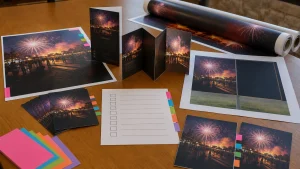
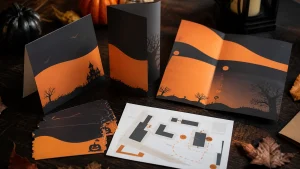
A4 is one of the most popular sizes for booklets in the UK because it’s standard, easy to handle, and versatile. You’ve probably seen A4 booklets used for everything from event programmes to product guides or even employee handbooks. They’re large enough to fit detailed info and images but still compact enough to carry around easily.
What Are Your Printing Options?
When it comes to printing A4 booklets, you’ll typically find two main methods: litho and digital printing. Litho is great if you’re printing a large quantity because it’s cost-effective at scale and produces really sharp, consistent colours. On the other hand, digital printing shines for shorter runs or if you need quick turnaround times. Plus, digital lets you personalise each copy if you want — which is pretty handy for targeted marketing.
One thing to keep in mind: paper weight, or GSM, really affects the feel and quality. For booklets, 150–170gsm is common for the cover to give a sturdy, professional touch, while inner pages are often lighter, around 90–130gsm. If you want something that feels premium, you could go for silk or matt finishes, but gloss is always an option if bright, punchy colours are your thing.
Binding Styles to Consider
The binding is where your booklet really comes together. Saddle stitching (stapled spine) is the classic choice for booklets up to about 64 pages — it’s affordable and quick. But if your booklet is thicker, perfect binding is worth considering. It gives a neat, book-like finish and feels more substantial, which might be perfect for a catalogue or report. We’ve also seen wiro binding used for manuals or programmes where the booklet needs to lie flat — that’s the spiral wire binding around the edge.
Helpful Tips for Your A4 Booklet Printing
- Keep page counts in multiples of four. This is because of how sheets are folded and nested in the printing process.
- Mind your margins and bleeds. You want to avoid losing important text or images after trimming.
- Consider your audience and purpose. A glossy finish might impress customers, but a matt or uncoated paper can feel more natural and eco-friendly.
- Proof carefully. Check everything from spelling to image resolution — low-res graphics can look pixelated in print.
- Ask about custom sizes. While A4 is standard, many printers can do bespoke dimensions if you want something that stands out.
A Quick Case Example
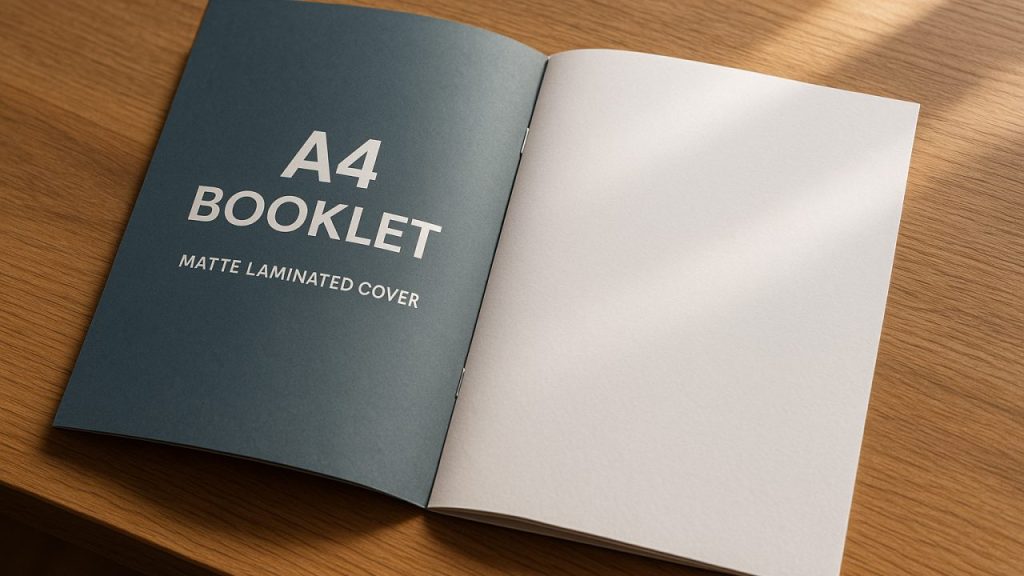
We recently helped a local charity produce an A4 booklet to showcase their annual report and upcoming projects. They opted for digital printing because they only needed 150 copies. We suggested a matt laminated cover with 170gsm paper for durability and uncoated 120gsm inside pages for easy reading. The booklet was saddle-stitched to keep costs down but still look professional. The charity was thrilled with the quality and turnaround time — plus, the booklet helped them secure new donors!
Wrapping Up
Printing A4 booklets might seem complicated at first, but it really boils down to understanding your needs, your budget, and the options available. Whether you’re after a quick digital print or a polished litho run with perfect binding, the key is to communicate clearly with your printer and plan ahead. And if you’re eco-conscious, don’t forget to ask about recycled papers or sustainable finishes — they’re becoming standard and can add a nice touch to your project.
Anyway, the point is: take your time, ask questions, and you’ll end up with a booklet that you’re proud to hand out or post. Printing is a craft as much as a service, and a little knowledge goes a long way.
Updated on 4 November 2025
Ready to print? Contact Newstyle Print for a fast quote today.
Call 01572 771377 or email hello@newstyleprint.co.uk
Get a quote »