⏱️ Estimated reading time: 6 minutes
Introduction
When choosing printing for your business—be it business cards, flyers, banners, or brochures—understanding your options can greatly affect the final quality and impact. Selecting the right printing method, paper stock, and finish helps ensure your project meets your needs and budget.
For a useful related perspective, see Indoor vs Outdoor Poster Printing: Choosing the Right Paper.
At Newstyle Print in Oakham, we’ve supported UK businesses for over a decade with tailored, expert advice focused on quality, sustainability, and value. Here’s a straightforward guide to some popular printing options and key considerations.
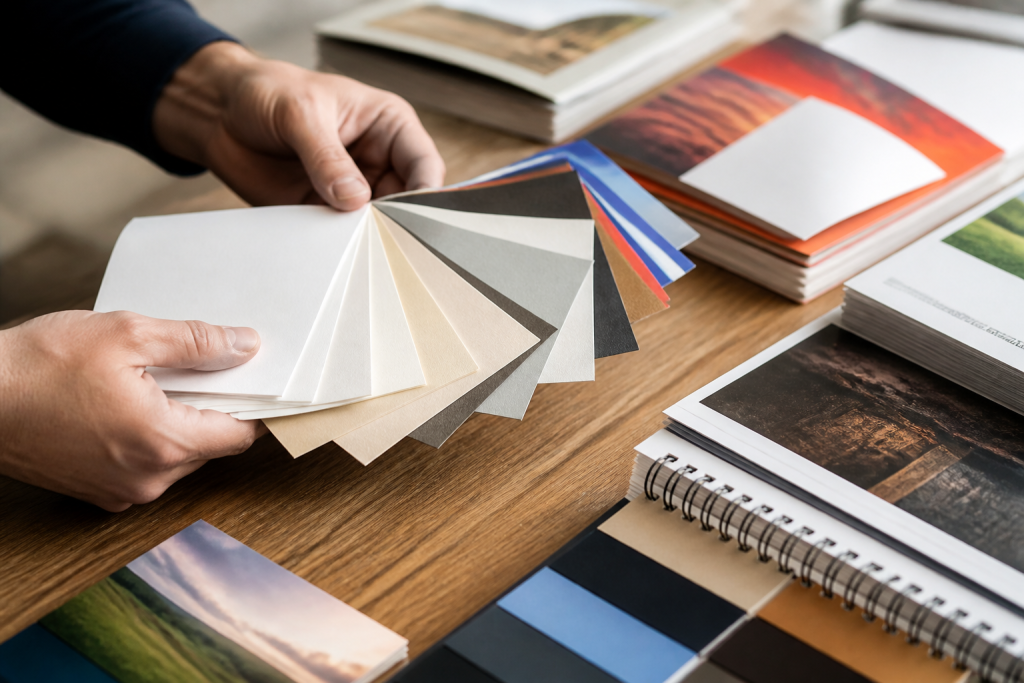
One of the most common challenges businesses face is picking the right paper stock. Paper isn’t just a blank canvas; its weight, texture, and finish influence how your message is perceived. A premium brochure printed on flimsy paper may undermine your brand, while a thicker, textured stock can add a sense of professionalism and durability. This guide aims to help you navigate these choices with confidence. The corresponding options are also outlined on our Printing in Rutland: Professional Print Services for Local Businesses page.
Option 1: Litho Printing

Also called offset printing, litho is ideal for large runs, delivering consistent colour and sharp detail, especially on smooth paper. It’s cost-effective per unit for thousands of brochures or flyers but involves setup time and initial costs.
For a useful related perspective, see How to Choose the Right Paper Stock for Luxury Christmas Brochures.
When to choose litho printing:
- Large volume projects
- Consistent, high-quality colour
- Brochures, leaflets, stationery
Litho handles a wide range of paper weights and finishes—from textured stocks to spot UV or Scodix lamination—offering a refined look suited to brands seeking professionalism. While setup costs exist, they’re offset by savings on bulk quantities, making litho economical and visually appealing for steady designs.
For example, if you’re printing 5,000 brochures for a local event or distributing menus for a restaurant chain, litho printing provides the vibrancy and durability needed without breaking the bank. The technology allows for superb colour matching, which is crucial if your brand uses specific Pantone shades or metallic inks.
It’s worth noting that litho printing typically requires several days for setup and production, so it’s best suited for projects planned well in advance. Furthermore, the variety of paper stocks compatible with litho printing is broader, including heavyweight textured papers and coated finishes that can elevate your printed materials’ tactile appeal.
Option 2: Digital Printing
Digital printing suits smaller runs or projects needing quick turnaround. It offers flexibility for customisation and variable data, such as personalised appointment or loyalty cards. Although litho still leads on colour depth and paper variety, digital quality has improved markedly.
When to choose digital printing:
- Short runs or urgent jobs
- Personalised or variable data prints
- Proofing before larger litho runs
Digital printing makes it easy and cost-effective to print unique details on each item and allows quick artwork changes without setup costs, saving time and money on small or frequently updated projects.
Imagine a local business wanting to send out 200 personalised appointment cards with client names and dates—that’s where digital printing shines. It also suits flyers or menus requiring rapid updates, such as seasonal specials or event schedules, where turnaround time is critical.
While digital printing generally supports fewer paper types than litho, many high-quality stocks remain available, including coated and uncoated options. However, very heavy or specialty stocks may be limited, so it’s wise to discuss your paper preferences with your print provider.
Key Differences Between Litho and Digital Printing
Clients often balance cost, quality, and timing. Litho offers superior colour fidelity and bulk savings but requires minimum quantities and setup time. Digital is faster and more flexible but pricier per unit and limited in heavier paper options.
Litho supports a broader ink range, including metallic and Pantone spot colours, important for brand accuracy. Digital typically uses CMYK inks, which may not match brand colours perfectly. Paper choices also differ, affecting the tactile feel and durability of the final print.
Another subtle but important distinction is that litho prints tend to have very sharp edges and smooth gradients, making them ideal for high-resolution photographs or intricate graphics. Digital printing, while excellent, may sometimes produce slightly less crisp details, but advances in technology have narrowed this gap considerably.
In terms of environmental impact, both methods can be sustainable depending on the materials used and print quantities. At Newstyle Print, we carefully select paper stocks balancing quality and sustainability, offering options made from recycled fibres and responsibly sourced materials to align with your company’s values.
Which to Choose for Your Project?
Your choice depends on quantity, budget, timing, and design needs. For example, 1,000 customised flyers delivered quickly might suit digital printing, while 10,000 brochures with rich colour and texture lean toward litho.
Paper and finish choices impact both look and sustainability. Smooth coated paper enhances litho vibrancy; uncoated stocks lend a natural feel. Finishes like matt lamination reduce glare, while spot UV highlights design elements but may add cost and time.
Newstyle Print offers sustainable paper stocks balancing quality and environmental care. Heavier or recycled papers might cost more but show your commitment to responsible business.
It’s also worth considering the feel and purpose of your final product. Business letterheads and compliment slips often benefit from a thicker uncoated stock that feels substantial to the touch, conveying professionalism. Conversely, promotional flyers might do well on a lighter, coated stock that enhances colour pop and is cost-effective for distribution.
Don’t underestimate the value of finishes either. Spot UV or Scodix lamination can add texture and gloss selectively, making logos or key design elements stand out. Matt lamination, on the other hand, offers a sophisticated, muted look ideal for luxury brands or artistic prints. Each finish alters not only appearance but also durability and handling, so match these to the function of your print.
When This Doesn’t Make Sense
Choosing the cheapest or rushing can lead to poor results. Thin paper or unsuitable print methods may disappoint. Skipping artwork checks risks colour misalignment or low resolution. We provide free artwork reviews to catch issues early, saving time and wasted materials.
Delivery timing matters too. Digital printing is quicker, but last-minute orders can still cause stress and affect quality. Planning ahead with a reliable local partner familiar with Rutland and Oakham markets helps ensure smooth, timely production tailored to your audience.
Working with a local printer like Newstyle Print also means you can get personalised advice on paper stocks and finishes that best suit your project and budget. Many online printers provide generic options, but local expertise allows for nuanced recommendations, such as suggesting a specific 350gsm silk stock for your brochures that balances durability and cost.
Sometimes it’s tempting to pick the cheapest paper or printing method without considering the project’s long-term impact. However, printing is often an investment in your brand’s perception. A slightly higher spend on quality paper or litho printing can pay dividends in client trust and memorability.
Conclusion
Choosing the right printing option balances quality, quantity, timing, and sustainability to suit your goals. Litho and digital each have strengths depending on your project. Combined with suitable paper and finishes, your printed materials can make a strong impression.
For expert guidance and personalised service backed by over a decade’s experience, Newstyle Print is here to help. Whether printing custom PVC banners, flyers, business cards, or certificates, we support your project every step of the way. Any promotional claims should also be checked against the CAP Code rules on misleading advertising.
Remember, the paper you choose is more than just a medium; it’s a tactile ambassador of your brand’s identity and professionalism. Taking the time to understand your options and working with a trusted, local printing partner can ensure your project not only looks great but also aligns with your values and audience expectations.
Final thoughts
Choosing the right approach for printing tips comes down to clarity, practical specification and a finished result that supports the way it will be used. If you are planning something similar, Newstyle Print can help you compare the best options before you commit.